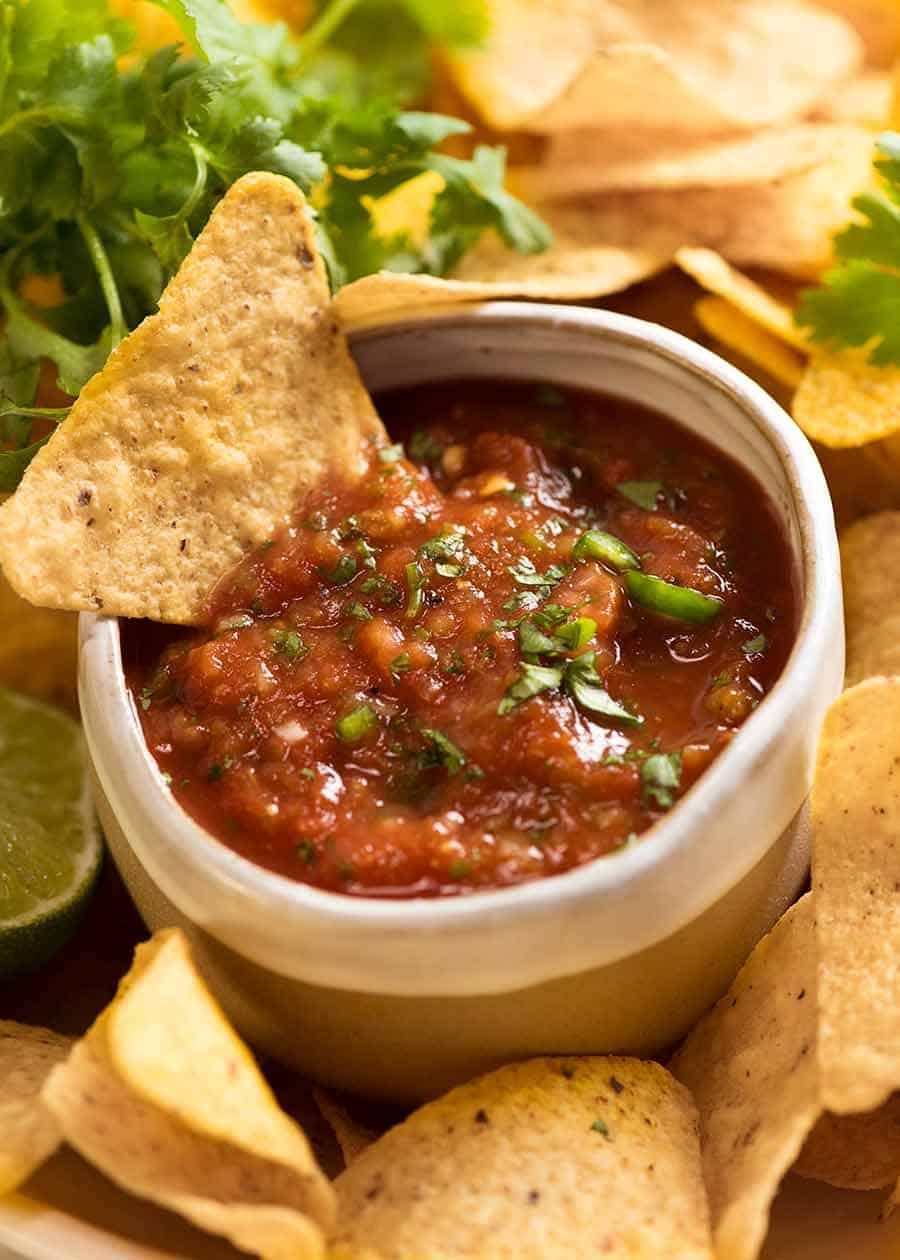
Unlocking Restaurant-Quality Flavor with Ease
There's an undeniable magic to the vibrant, zesty flavor of fresh restaurant salsa. That perfect balance of savory, spicy, and tangy notes can elevate any meal, from a simple bag of tortilla chips to a gourmet taco spread. While many believe achieving this at home requires complex techniques and hard-to-find ingredients, we're here to shatter that myth. Our easy homemade salsa recipe promises that coveted restaurant-worthy taste, all thanks to a clever shortcut: canned green chilies.
Forget the tedious chopping and handling of fresh jalapeños or serranos, which can vary wildly in heat and require extra precautions. Canned green chilies offer consistent, mild-to-medium heat and a distinct, earthy flavor that beautifully complements the other fresh components. This approach doesn't just simplify the process; it ensures a reliable, delicious result every time. Our recipe proves that convenience doesn't have to compromise flavor – in fact, it often enhances the joy of cooking when you know you can whip up something spectacular with minimal fuss.
Whether you're hosting a party, looking for a delicious topping for your weeknight tacos, or simply craving a fresh dip for your chips, this homemade salsa is designed to impress without the stress. It’s a testament to the idea that the best flavors often come from simple, quality ingredients brought together with a touch of ingenuity.
The Essential Ingredients for Your Perfect Homemade Salsa
The secret to any great dish lies in its ingredients, and our homemade salsa is no exception. While the process is straightforward, selecting and preparing these fresh, colorful components is key to developing that incredible depth of flavor. Here’s a closer look at what you’ll need and why each element plays a crucial role:
- Tomatoes (2 cups chopped): As the heart of your salsa, tomatoes provide natural sweetness and a juicy base. We recommend using Roma tomatoes due to their firm texture and lower water content compared to other varieties. This helps prevent your salsa from becoming overly watery, ensuring a robust and chunky consistency. Aim for an even dice to maintain uniform texture throughout.
- Onions (¼ cup chopped red onion, ¼ cup chopped yellow onion): The combination of red and yellow onions adds complexity. Red onions lend a crisp, slightly peppery bite, ideal for eating raw, while yellow onions offer a milder, sweeter flavor. Pro Tip: To mellow out the sharp "bite" often associated with raw onions, finely chop them and rinse under cold water for about a minute, then drain thoroughly. This simple step significantly enhances their flavor without overpowering the salsa.
- Canned Green Chilies (2 tablespoons): This is our superstar ingredient for achieving that authentic restaurant depth without the fuss. Canned green chilies, typically found in mild or medium heat, contribute a smoky, slightly tangy warmth that is consistent and delicious. They integrate seamlessly into the salsa, offering a hint of heat that's approachable for most palates.
- Fresh Lime Juice (2 tablespoons): Absolutely essential for brightening and balancing all the flavors. Freshly squeezed lime juice provides that signature zesty tang. One medium lime usually yields about two tablespoons, so opt for fresh over bottled for superior taste.
- Fresh Cilantro (2 tablespoons chopped): Cilantro brings a burst of fresh, herbaceous flavor and vibrant color. If you're a cilantro lover, feel free to add more to taste! For those who find cilantro challenging, a small amount of fresh parsley can be substituted, though it will subtly alter the traditional salsa profile.
- Garlic (2 cloves, peeled): Fresh garlic is indispensable for adding aromatic depth and a pungent kick that elevates the entire salsa. Mince it finely to ensure it distributes evenly, infusing every bite with its irresistible aroma.
- Seasonings (1 teaspoon ground cumin, ¼ teaspoon salt): Cumin introduces an earthy, warm spice that is characteristic of many authentic salsas. Salt is vital for enhancing and tying all the flavors together. Start with ¼ teaspoon and taste, adjusting as needed. Remember, you can always add more salt, but you can't take it away!
Gathering these simple, yet powerful, ingredients is the first step towards creating a batch of homemade salsa that will have everyone asking for the recipe. For more on how ingredient choices impact flavor, check out our guide on Master Homemade Salsa: Fresh Ingredients & Custom Spice Levels.
Mastering the Homemade Salsa Recipe: Step-by-Step
With your ingredients prepped and ready, the assembly of this homemade salsa is incredibly quick and easy, especially with the help of a food processor. This method ensures uniform chopping and effortless blending, leading to perfect consistency every time.
- Gather Your Tools and Ingredients: Before you begin, ensure all your ingredients are chopped and measured. Having everything ready makes the process seamless.
- Combine in the Food Processor: Carefully place all the chopped tomatoes, red onion, yellow onion, canned green chilies, fresh lime juice, chopped fresh cilantro, peeled garlic cloves, ground cumin, and salt into the bowl of your food processor.
- Pulse to Perfection: Secure the lid and pulse the mixture. The key here is pulsing, not continuous blending. You want to achieve a combined texture that is still beautifully chunky, not a watery purée. Pulse in short bursts (2-3 seconds each), scraping down the sides if necessary, until your desired consistency is reached. Typically, 5-10 pulses will do the trick, depending on your machine and preferred chunkiness.
- Chill for Flavor Development: Transfer your freshly made salsa to a serving bowl. Cover it tightly with plastic wrap and refrigerate for at least one hour. This chilling time is crucial; it allows the flavors to meld and deepen, transforming from a collection of individual ingredients into a harmonious and incredibly delicious dip. The wait is worth it!
- Serve and Enjoy: Once chilled, give the salsa a quick stir. Serve it proudly with your favorite tortilla chips, as a vibrant topping for tacos, burritos, grilled chicken, or even eggs. Its versatility makes it a fantastic addition to almost any meal.
This simple process ensures a fresh, flavorful, and incredibly satisfying homemade salsa that rivals any restaurant offering. It's a fantastic recipe for beginners and seasoned cooks alike, proving that extraordinary flavor can be achieved with minimal effort.
Maximizing Your Homemade Salsa Experience: Storage & Beyond
Once you’ve experienced the fresh, bold flavors of this homemade salsa, you’ll likely want to make it a staple in your kitchen. Knowing how to store it properly and exploring further variations can help you get the most out of your culinary creation.
Freshness and Storage:
While this salsa is undeniably best enjoyed fresh, ideally on the day it's made, any leftovers can be stored for future enjoyment. Simply transfer the salsa to an airtight container and refrigerate. It will maintain its peak freshness and flavor for up to three days. Beyond that, the texture and vibrant taste may begin to diminish slightly. Remember, the fresher, the better!
Canning for Long-Term Enjoyment:
If you find yourself with an abundance of ingredients or simply wish to preserve larger batches of your delicious homemade salsa for extended periods, canning is an excellent option. Proper canning methods allow you to store salsa safely for several months, making it a fantastic way to enjoy summer flavors all year round. However, canning homemade salsa requires adherence to specific safety guidelines, especially concerning acidity levels, to prevent spoilage. It's essential to follow a tested canning recipe and use appropriate sterilization techniques. For detailed guidance on preserving your salsa safely, we highly recommend exploring resources like Fresh Homemade Salsa: Tips for Perfect Flavor & Canning, which provides comprehensive instructions for long-term storage.
Creative Variations:
While our base recipe for homemade salsa with canned green chilies is outstanding, it also serves as a fantastic springboard for culinary experimentation. You can easily adapt it to suit your preferences or seasonal ingredients:
- Roasted Salsa: For a deeper, smokier flavor, consider roasting your tomatoes, onions, and even garlic before blending. This brings out a wonderful caramelized sweetness.
- Salsa Verde: If you love a tangier, brighter salsa, swap out some or all of the red tomatoes for tomatillos. Roasted tomatillos create an entirely different, yet equally delicious, flavor profile.
- Spice it Up: For those who crave more heat, a tiny dash of your favorite hot sauce or a pinch of red pepper flakes can be added to the food processor. Alternatively, if you're comfortable with fresh peppers, a small amount of finely minced jalapeño (seeds and membranes removed for milder heat, or left in for extra kick) can be incorporated.
- Add-ins: Don't hesitate to personalize your salsa with other fresh ingredients like corn, black beans, or even diced avocado right before serving for added creaminess and texture.
Experimentation is part of the joy of cooking, and this versatile homemade salsa recipe invites you to make it your own. From its simple origins to endless variations, it's a dish that continues to give.
Creating your own homemade salsa is a truly rewarding experience. This recipe, leveraging the convenience and consistent flavor of canned green chilies, proves that achieving restaurant-quality results at home doesn't require complex ingredients or hours in the kitchen. With simple steps and readily available ingredients, you can whip up a batch of vibrant, flavorful salsa that’s perfect for any occasion. So, gather your ingredients, fire up your food processor, and prepare to delight your taste buds with a fresh, easy, and incredibly delicious homemade creation.
