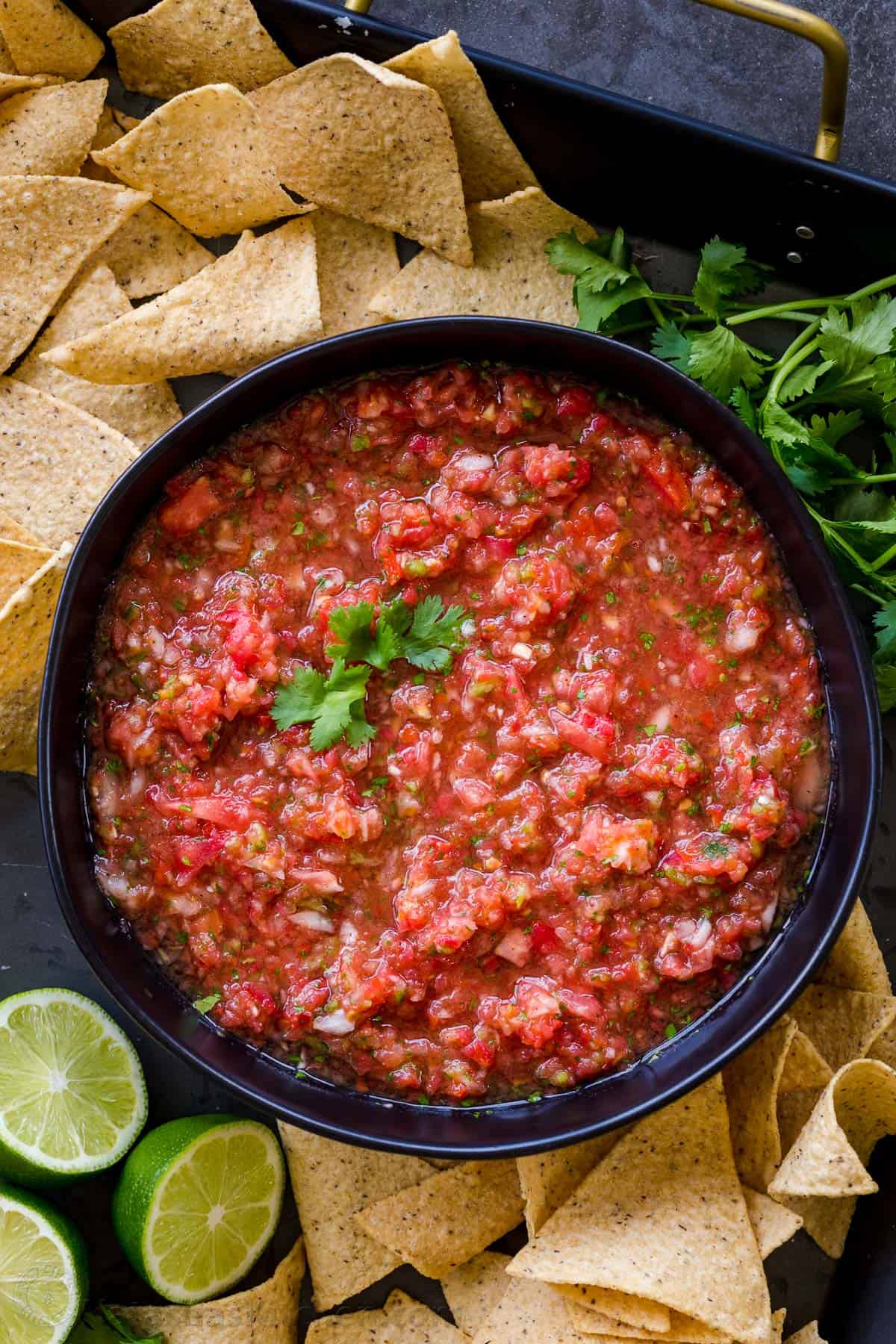
Unleash Flavor with Homemade Salsa: Fresh Ingredients & Custom Spice Levels
There’s a certain magic that happens when you dip a crisp tortilla chip into a vibrant bowl of homemade salsa. Forget the store-bought jars; nothing compares to the explosive freshness, nuanced flavors, and customizable heat that comes from making your own. Master
Easy Homemade Salsa: Restaurant Flavor with Canned Chilies, a delicious base recipe, and discover how effortless it is to create a restaurant-worthy condiment right in your own kitchen. Whether you’re crafting a quick dip for a party or a versatile topping for your favorite meals, homemade salsa is a game-changer that promises to elevate any dish.
Why Choose Homemade Salsa Over Store-Bought?
The appeal of homemade salsa lies in its unparalleled freshness and your complete control over the ingredients. While grabbing a jar from the supermarket shelf might seem convenient, it often means sacrificing the bright, zesty notes that truly define exceptional salsa. Many commercial salsas contain preservatives, added sugars, and lack the dynamic texture that makes homemade versions so satisfying.
When you make salsa from scratch, you’re not just mixing ingredients; you’re orchestrating a symphony of flavors. You can dictate the exact level of tanginess from fresh lime juice, the aromatic punch of garlic and cilantro, and, most importantly, the precise kick of heat that suits your palate. This control allows you to tailor your creation perfectly, from a mild and chunky pico de gallo to a fiery, smooth blend. It’s an experience that packaged alternatives simply cannot replicate, transforming a simple snack into an unforgettable culinary delight.
The Essential Ingredients for Perfect Homemade Salsa
Crafting an outstanding batch of homemade salsa begins with selecting the finest, freshest ingredients. Each component plays a crucial role in building layers of flavor and achieving that coveted restaurant-quality taste.
- Tomatoes: The Foundation of Flavor
Start with two cups of chopped tomatoes. While any ripe tomato can work, Roma tomatoes are often preferred for salsa due to their firm texture and lower water content. This characteristic helps prevent your salsa from becoming overly watery, ensuring a desirable consistency. Dice them evenly to maintain a consistent texture throughout your salsa. For a different twist, consider using a mix of tomatoes – perhaps some cherry tomatoes for sweetness or beefsteak tomatoes for a meatier bite. Roasting your tomatoes beforehand can also unlock deeper, more complex flavors.
- Onions: Adding Pungency and Bite
A combination of chopped red onion and yellow onion offers a balanced flavor profile. Red onions typically provide a sharper, more vibrant taste, ideal for raw consumption, while yellow onions contribute a slightly sweeter, milder pungency. To mellow out any harsh, bitter aftertaste from raw onions, a clever pro tip is to rinse your chopped onions thoroughly under cold water before draining them well. This simple step significantly improves their flavor and makes them more palatable.
- Green Chilies: Your Gateway to Heat
Canned green chilies are an excellent choice for adding a subtle, approachable hint of heat without overpowering the other ingredients. They provide a foundational warmth that many find perfectly balanced. However, for those looking to customize their spice levels, this is where the real fun begins.
- Jalapeño: A popular choice for its moderate heat. For a milder salsa, remove the seeds and the white membrane; for a spicier kick, leave them in!
- Serrano Peppers: For a step up in heat, serranos offer a brighter, more intense burn.
- Habanero/Scotch Bonnet: If you dare to venture into truly fiery territory, these peppers deliver serious heat, best used sparingly until you know your tolerance.
- Lime Juice: The Brightening Element
Freshly squeezed lime juice is absolutely essential. Its bright, acidic zest cuts through the richness of the other ingredients, bringing a vibrant, tangy note that awakens the palate. One medium lime typically yields about two tablespoons of juice, which is usually sufficient for a standard batch. Avoid bottled lime juice if possible, as its flavor pales in comparison to fresh.
- Cilantro: The Herbaceous Star
Cilantro adds a distinctive fresh, herbaceous flavor and a beautiful pop of green color. For cilantro lovers, feel free to be generous – a couple of tablespoons or even more to taste. If you’re not a fan (some people have a genetic predisposition to find it soapy), you can substitute it with fresh parsley, though it will undeniably alter the overall flavor profile.
- Garlic: The Aromatic Backbone
Fresh garlic cloves are key to a robust salsa. Make sure to mince them finely so that their potent flavor is evenly distributed throughout the mixture. Two cloves are a good starting point, but garlic enthusiasts might consider adding a third for an extra punch.
- Seasonings: The Finishing Touch
Ground cumin imparts a warm, earthy depth that is characteristic of many Mexican-inspired dishes. Start with one teaspoon of ground cumin. Salt is crucial for enhancing all the other flavors; begin with a quarter teaspoon and adjust to taste. Feel free to experiment with a pinch of black pepper or a dash of dried oregano for additional complexity.
Crafting Your Homemade Salsa: Step-by-Step Guide
Making homemade salsa is surprisingly straightforward, especially with the help of a food processor.
- Gather and Prep: Begin by gathering all your ingredients. This practice, known as "mise en place," ensures a smooth cooking process. Wash and roughly chop your tomatoes, onions, cilantro, and peel your garlic cloves.
- Combine in Food Processor: Place the chopped tomatoes, red onion, yellow onion, canned green chilies (or your chosen fresh peppers), fresh lime juice, cilantro, peeled garlic cloves, ground cumin, and salt into the bowl of a food processor.
- Pulse to Perfection: Secure the lid and pulse the mixture until the ingredients are combined but still delightfully chunky. The key here is *pulsing* rather than continuous blending. This allows you to control the texture, ensuring it doesn't turn into a watery purée. You want some discernible pieces of vegetables for that authentic pico de gallo feel.
- Chill and Meld: Transfer the freshly pulsed salsa to a bowl. Cover it tightly with plastic wrap and refrigerate for at least one hour before serving. This crucial step allows the flavors to meld and deepen, resulting in a more harmonious and delicious salsa.
- Serve and Enjoy: Once chilled, give your homemade salsa a quick stir and taste-test, adjusting salt or lime juice if needed. Serve with your favorite tortilla chips, as a vibrant topping for tacos, burritos, grilled chicken, or even scrambled eggs.
Customizing Your Salsa Experience
Beyond the base recipe, the world of homemade salsa offers endless possibilities for customization.
- Roasted Salsa: For a deeper, smokier flavor profile, consider roasting your tomatoes, onions, garlic, and chilies before blending. This process caramelizes their natural sugars, adding an incredible depth of flavor that is truly unique. Simply toss them with a little olive oil and roast at a high temperature until slightly charred and tender.
- Salsa Verde: Venture beyond red salsa by exploring salsa verde, which uses tomatillos instead of red tomatoes. Tomatillos offer a tangy, slightly tart flavor that creates a distinctly different, yet equally delicious, experience.
- Adding Extras: Enhance your salsa with other ingredients like corn kernels (fresh or roasted), black beans, or diced avocado for added creaminess and texture.
Storage and Preservation: Making Your Homemade Salsa Last
Homemade salsa is truly at its peak when enjoyed fresh, ideally on the day you make it. The vibrant flavors are most pronounced, and the texture is perfectly crisp.
If you happen to have leftovers, they can be stored in an airtight container in the refrigerator for up to three days. Beyond that, the freshness begins to wane, and the texture can become a bit softer. For those who love to prepare in bulk or wish to enjoy their homemade salsa for longer periods, proper canning is an excellent solution. Canning allows you to preserve the delicious flavors and enjoy your creations months down the line. For a deeper dive into extending the life of your homemade salsa through proper canning techniques, check out
Fresh Homemade Salsa: Tips for Perfect Flavor & Canning.
Conclusion
Mastering homemade salsa is a culinary journey that promises incredibly fresh flavors, impressive versatility, and immense satisfaction. By choosing quality ingredients and following these simple steps, you can easily create restaurant-quality homemade salsa that outshines any store-bought alternative. Experiment with different peppers, roasting techniques, and ingredient combinations to find your signature blend. So grab your cutting board, fire up your food processor, and get ready to enjoy the vibrant, customizable world of fresh, homemade salsa. Your taste buds, and your guests, will thank you!