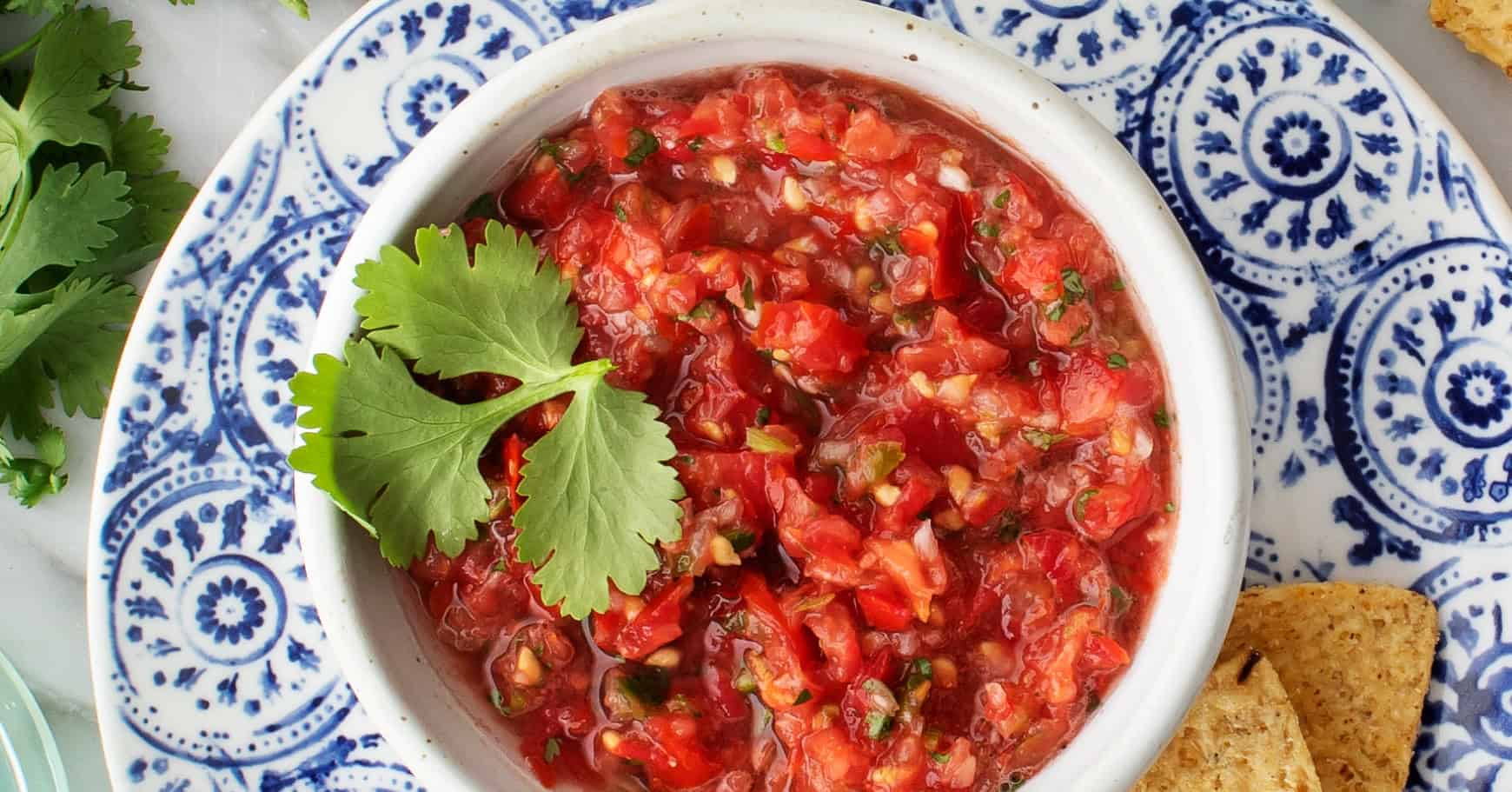
Mastering Fresh Homemade Salsa: Flavor Secrets & Canning Essentials
There's something undeniably magical about a bowl of vibrant, freshly made salsa. While store-bought options offer convenience, they rarely capture the bright, zesty, and often complex flavors that only a homemade version can deliver. Imagine dipping a crisp tortilla chip into a salsa bursting with garden-fresh tomatoes, pungent onions, aromatic cilantro, and just the right amount of heat. This isn't just a snack; it's an experience. Crafting your own homemade salsa is surprisingly simple, yet it unlocks a world of flavor potential that can elevate any meal, from a casual chip dip to a vibrant topping for tacos, grilled fish, or eggs. In this comprehensive guide, we'll dive deep into the secrets of achieving perfect flavor, offering pro tips for ingredient selection, preparation, and even how to safely preserve your bounty through canning, ensuring you can enjoy that fresh taste all year long.The Foundation of Flavor: Choosing Your Homemade Salsa Ingredients Wisely
The cornerstone of any outstanding homemade salsa lies in the quality and freshness of its ingredients. Each component plays a vital role in creating a harmonious flavor profile, and understanding their nuances is key to achieving that coveted restaurant-worthy taste right in your own kitchen.- Tomatoes: The Heart of Your Salsa
While any ripe tomato can work, for the best texture and to avoid a watery salsa, opt for firm, meaty varieties like Roma tomatoes. Their lower water content and dense flesh make them ideal. Dice them evenly to ensure a consistent texture throughout your salsa. For a deeper flavor, some chefs even lightly roast or char their tomatoes before dicing, adding a smoky dimension that's truly exceptional.
- Onions: The Pungent Perfection
A mix of red and yellow onions provides a balanced pungency and sweetness. Red onions are often preferred for their milder flavor when eaten raw and their beautiful color. However, raw onions can sometimes carry a bitter aftertaste. A fantastic pro tip to mitigate this is to rinse your chopped onions thoroughly under cold water before adding them to your mix. This simple step can significantly mellow their bite, allowing their natural sweetness to shine through.
- Green Chilies: Dialing Up the Heat (or Keeping it Mild)
Here's where you control the kick! Many fantastic homemade salsa recipes, including some that achieve restaurant-quality flavor, utilize canned green chilies for a consistent, mild heat profile without the guesswork. This is an excellent choice for those who prefer a more mellow salsa or want a reliable outcome every time. However, if you crave more heat and enjoy customizing your spice levels, fresh jalapeños are a classic choice. For a milder salsa, be sure to remove the seeds and white membrane (pith) from the jalapeño, as this is where most of the capsaicin resides. For an extra fiery punch, consider serrano peppers or even habaneros, but proceed with caution! To learn more about creating a perfectly balanced salsa with versatile spice levels, check out our guide on Master Homemade Salsa: Fresh Ingredients & Custom Spice Levels.
- Lime Juice: The Brightening Zest
Freshly squeezed lime juice is non-negotiable. Its vibrant acidity is essential for brightening all the other flavors, cutting through the richness, and adding that signature tangy zest. Bottled lime juice simply doesn't compare. Typically, one medium lime yields about two tablespoons of juice, which is often the perfect amount for a standard batch of salsa.
- Cilantro: The Herbaceous Star
Cilantro adds a distinctive fresh, herbaceous flavor and a pop of green color. If you're a cilantro lover, don't be shy – add more to taste! However, if you're among the percentage of people who find cilantro tastes like soap, fresh parsley can be a substitute, though it will alter the classic salsa flavor profile.
- Garlic: The Aromatic Depth
Fresh garlic cloves, minced finely, provide an aromatic depth that elevates the entire salsa. Avoid garlic powder; its flavor profile is entirely different. Ensure it's finely minced to distribute evenly and prevent any single bite from being overwhelmed.
- Seasonings: Cumin and Salt
Ground cumin adds a warm, earthy undertone that complements the fresh ingredients beautifully. Salt is crucial for enhancing all the flavors, so start with a quarter teaspoon and adjust to taste. Remember, you can always add more salt, but you can't take it away!
Crafting Your Perfect Consistency: Processing and Resting Your Salsa
Once you've gathered your premium ingredients, the next step is combining them into that irresistible dip. The method you choose and the subsequent resting period are vital for achieving the ideal texture and allowing the flavors to fully meld. The most common approach for making a quick homemade salsa is using a food processor. This makes preparation incredibly fast and efficient. The key here is to use the "pulse" function. You want a chunky, rustic texture, not a smooth purée. Pulse in short bursts until all ingredients are combined and finely chopped but still retain some body. Over-processing will result in a watery, lifeless salsa. If you prefer more control over the dice and a truly authentic pico de gallo, hand-chopping all the ingredients is also an excellent option, though it requires a bit more time. Regardless of your chosen method, the importance of letting your salsa rest cannot be overstated. Once transferred to a bowl, cover it and refrigerate for at least one hour before serving. This crucial step allows the flavors to marry and deepen, transforming individual components into a cohesive, vibrant symphony. Think of it as allowing the salsa to "bloom." When you’re ready to serve, always taste and adjust seasonings, lime juice, or heat levels to your personal preference. For a deep dive into creating a quick and easy salsa with minimal fuss, explore our guide: Easy Homemade Salsa: Restaurant Flavor with Canned Chilies.Preserving Your Bounty: Homemade Salsa Storage and Canning
While homemade salsa is best enjoyed fresh, sometimes you end up with leftovers, or you want to make a large batch to enjoy over an extended period. Understanding proper storage and preservation techniques is key. For short-term storage, any leftover salsa should be transferred to an airtight container and refrigerated. It will maintain its peak freshness for up to three days. Beyond this, the quality will start to decline, and the risk of spoilage increases. However, if you're looking to extend the shelf life of your delicious homemade salsa for weeks or even months, canning is the answer. Canning effectively preserves food by heating it to a temperature that destroys spoilage-causing microorganisms and then sealing it in airtight jars. This creates a vacuum seal that prevents new contamination. It's crucial to note that canning salsa requires careful attention to safety guidelines, particularly regarding acidity. Tomatoes are a borderline acidic food, and to ensure safe canning, additional acid (like lime juice or vinegar) is often required to reach a pH level that prevents the growth of harmful bacteria like Clostridium botulinum. Always use tested recipes from reliable sources (like university extension offices or reputable canning guides) that specify exact measurements for acid and processing times. Never improvise when canning salsa. The general process for canning involves:- Sterilizing jars and lids: Ensuring all equipment is clean and free from bacteria.
- Preparing the salsa: Following a tested recipe that includes appropriate acid levels.
- Filling jars: Leaving adequate headspace as specified in the recipe.
- Processing in a water bath canner: Submerging sealed jars in boiling water for a precise amount of time. This step is critical for safety and creating a vacuum seal.
- Cooling and sealing: Allowing jars to cool undisturbed, checking for proper seals.
